
The Perimenopause Power Duo: Why Protein and Fiber Matter More Than Ever
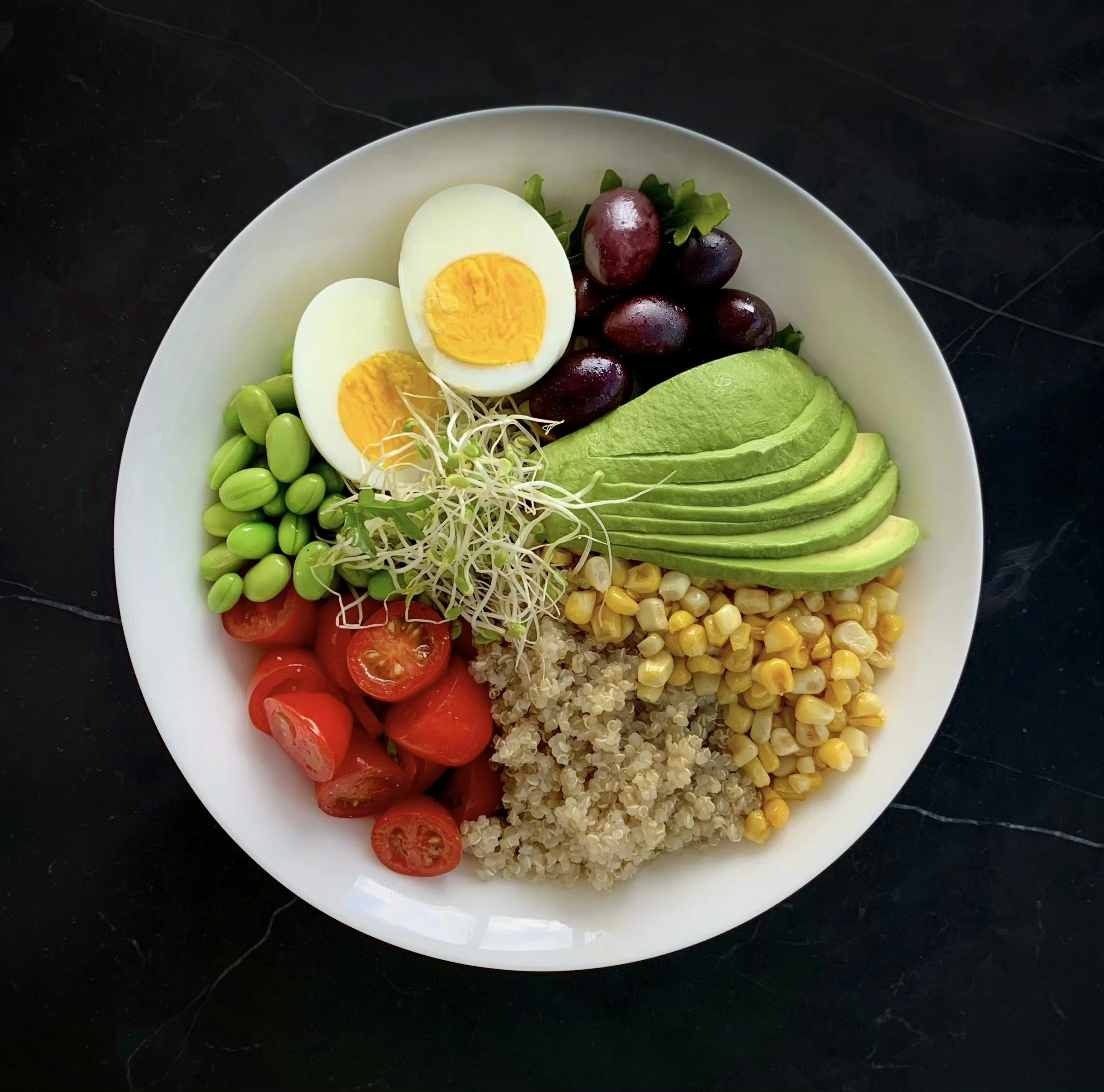
Perimenopause is a natural transition, but the hormonal changes that occur during this time can affect energy, metabolism, muscle mass, digestion, and body composition. While these changes are normal, nutrition can make a significant difference in how you feel.
Two nutrients that deserve extra attention are protein and fiber.
As estrogen levels decline, women naturally lose muscle mass, which can slow metabolism and make it more difficult to maintain strength and a healthy weight. Eating enough protein helps preserve lean muscle, supports healthy aging, and keeps you feeling satisfied between meals.
Protein also helps stabilize blood sugar, reducing energy crashes and cravings throughout the day. Aim to include a source of protein at each meal, such as eggs, Greek yogurt, fish, poultry, tofu, beans, lentils, or nuts and seeds.
Fiber is important for much more than digestive health. During perimenopause, it can help support balanced blood sugar, promote fullness, nourish the gut microbiome, and support heart health.
Fiber also plays a role in healthy hormone metabolism by helping the body eliminate excess hormones through regular bowel movements. Great sources of fiber include vegetables, fruit, legumes, oats, chia seeds, flaxseeds, nuts, and whole grains. Increase your intake gradually and drink plenty of water to support digestion.
Prioritizing protein and fiber is a simple, effective way to support your metabolism, digestive health, hormone balance, and long-term wellness—helping you feel your best through every stage of the transition.
