
The Right Way to Use GLP-1 Medications: Lose Fat—Not Muscle
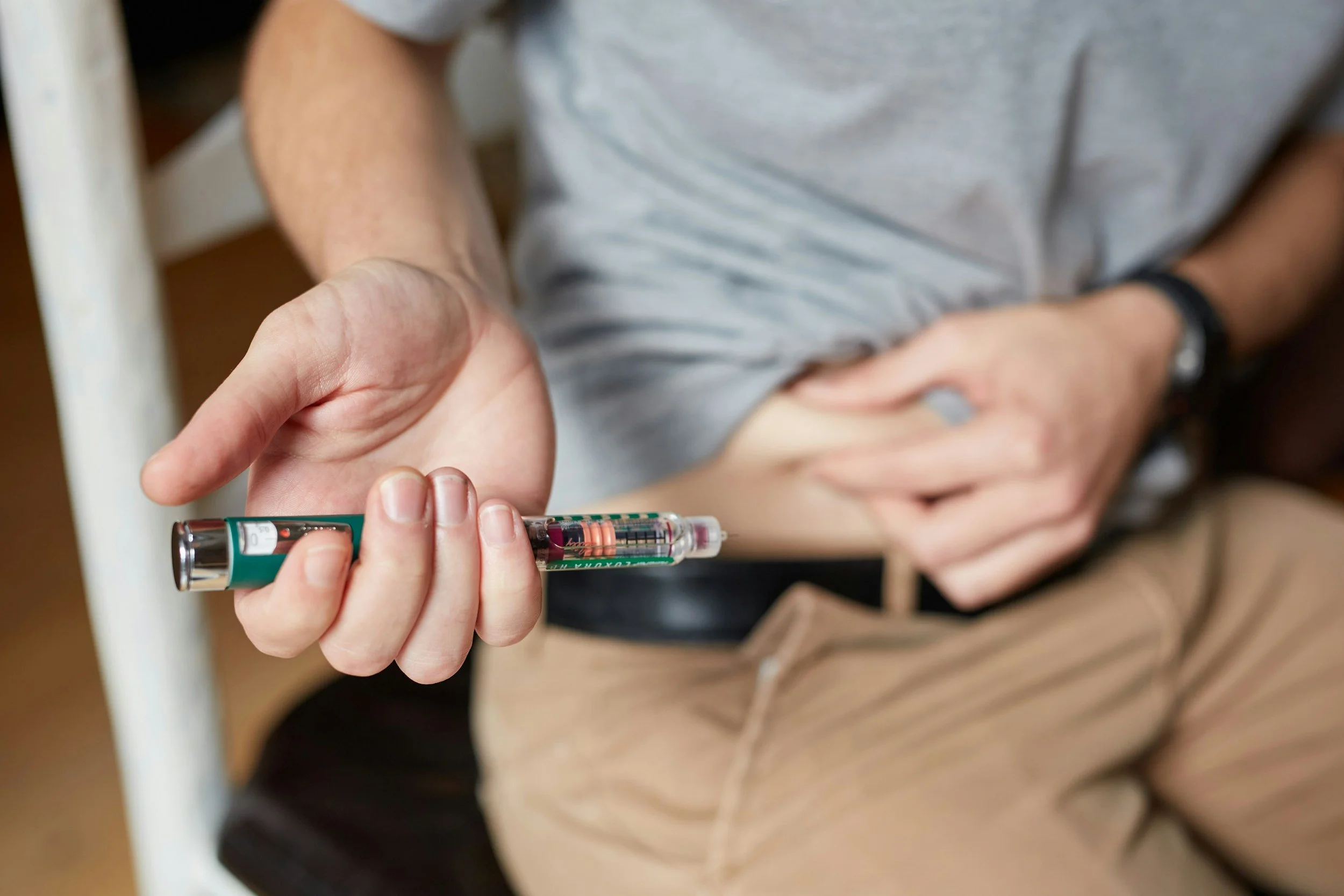
GLP-1 medications have revolutionized weight management. They can be incredibly effective for reducing appetite, improving blood sugar control, and helping people achieve significant weight loss. But one important conversation that often gets missed:
Weight loss isn't the same as healthy weight loss. Muscle matters more than you think.
When weight comes off quickly, your body doesn't lose only fat. Studies suggest that approximately 25–40% of weight lost on GLP-1 medications can come from lean body mass, including muscle, particularly if protein intake and resistance exercise aren't prioritized. Why does that matter?
Muscle plays an essential role in:
Keeping your metabolism healthy
Supporting blood sugar control
Maintaining strength and mobility
Protecting your bones
Preventing frailty as we age
Making it easier to maintain weight loss long-term
Because GLP-1 medications reduce appetite, many people unintentionally eat far less protein than their body needs. Without enough protein, your body is more likely to break down muscle during weight loss.
Most adults taking GLP-1 medications benefit from aiming for approximately: 1.2–1.6 grams of protein per kilogram of body weight each day. A simple strategy is to aim for 25–35 grams of protein at each meal. Since appetite is often reduced, eat your protein before other foods.
Choose nutrient-dense, lower-volume options such as:
Greek yogurt
Cottage cheese
Eggs
Chicken or turkey
Fish and seafood
Lean beef
Tofu or tempeh
Lentils and beans
Nuts and nut butters
Protein smoothies when needed
GLP-1 medications can be powerful tools for improving health—but the medication is only one piece of the puzzle.
Strength Training Is Part of the Prescription. One of the best ways to preserve muscle while losing fat is resistance exercise. You don't need hours in the gym. Resistance bands, bodyweight exercises, free weights, or machines can all be effective.
Don't Forget Your Bones. Muscle and bone health go hand in hand. Strong muscles place healthy stress on bones, helping them stay dense and resilient. Protecting muscle today helps protect your bones tomorrow.
Fiber: Your Secret Weapon Against Constipation. One of the most common side effects of GLP-1 medications is constipation. These medications intentionally slow stomach emptying, meaning food moves more slowly through the digestive tract. Aim for 25–35 Grams of Fiber Daily
Hydration Is Essential. Fiber needs water to work effectively. Reduced appetite often means people also drink less, increasing the risk of dehydration and constipation. Aim for 2–3 litres (8–12 cups) of fluids each day
Small Meals Often Work Best. Large meals may feel uncomfortable while taking GLP-1 medications. Avoid skipping meals—even if you're not very hungry, nourishing your body remains important.
Don't Forget Micronutrients. Eating less food can also mean consuming fewer vitamins and minerals. Depending on your diet, your healthcare provider may recommend a multivitamin or targeted supplementation to help fill nutritional gaps during weight loss.
At Uptown Integrative Health, our goal isn't simply to help patients see a lower number on the scale. We want you to lose body fat while preserving the muscle, bone, and metabolic health that keep you strong for years to come.
