
Brainspotting: The eyes are a doorway to the brain and body.
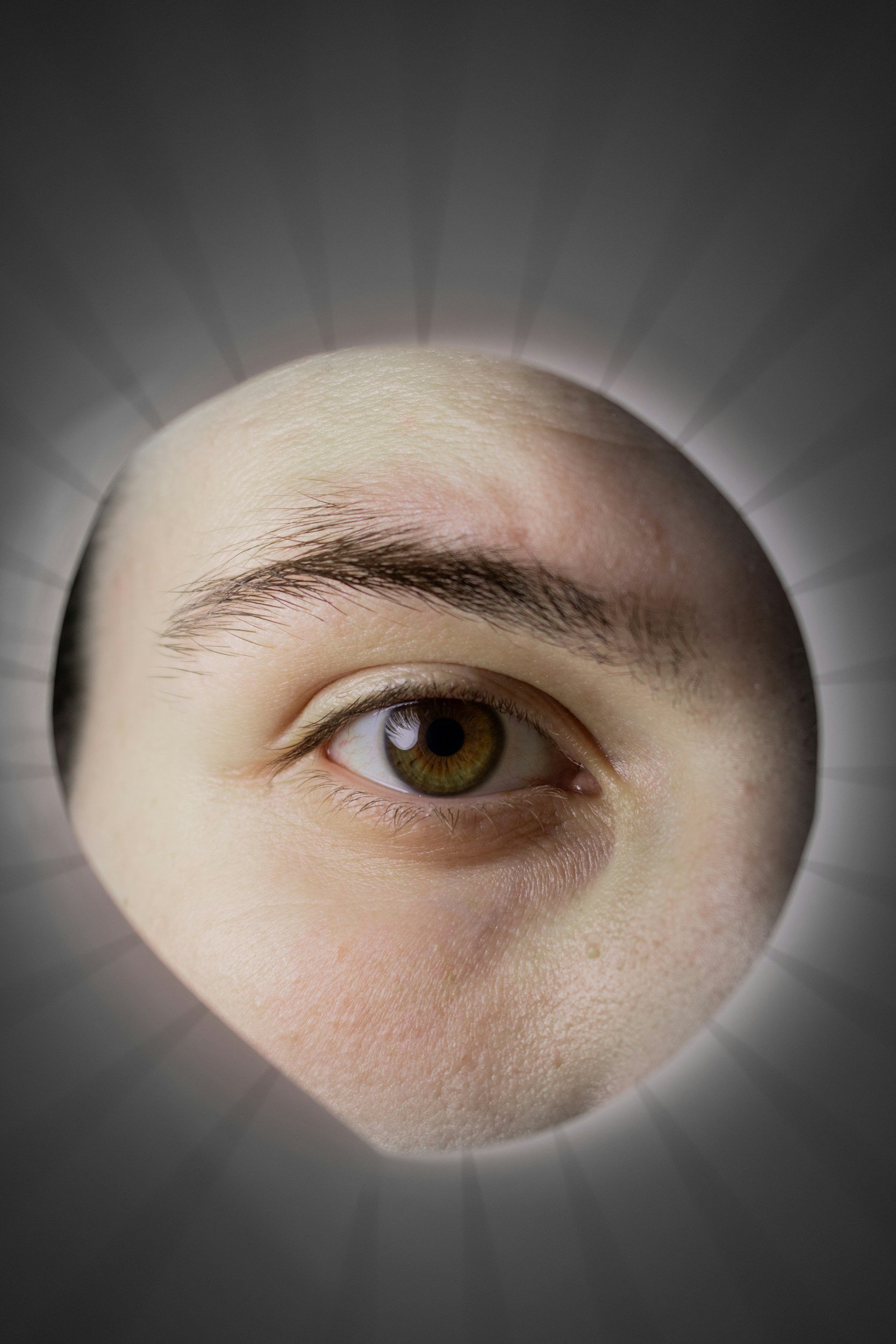
Brainspotting is a gentle, brain-body based therapy that supports healing by working with the nervous system, emotions, and the deeper parts of the brain. Sometimes experiences connected to survival, memory, and attachment become held within us in ways that are hard to explain with words alone. Brainspotting offers a compassionate and focused way of listening to what the body and nervous system may still be carrying — often outside of conscious awareness.
Informed by the understanding that “where you look affects how you feel” (David Grand), Brainspotting uses specific eye positions to help access emotional and physiological patterns held within the brain and body. Inviting focus on a “brainspot” gently activates the neural networks connected to certain experiences, while the presence of the therapist supports the process with connection and co- regulation. By combining focused mindful attention and relational resonance, the brain and body can begin to process and integrate experiences that may have previously felt overwhelming, unresolved, or stuck.
Brainspotting is informed by neurobiology, attachment theory, and somatic approaches to healing. Brainspotting can be especially supportive for trauma, grief, anxiety, depression, health concerns, performance blocks, and life transitions. Many people experience greater clarity, connection, resilience, and a deeper sense of ease within themselves. The process follows the organic wisdom of the nervous system, trusting that when supported with safety, presence, and attunement, the mind and body know how to move toward integration and recovery in their own time and way. We don’t have to figure it all out intellectually for healing to happen.
Brainspotting invites us to slow down and notice what is happening internally with curiosity and care. Over time, new patterns can emerge organically, supporting integration, recovery, and meaningful transformation in how we relate to ourselves, others, and the world around us.
Jennifer Saner-Harvey
